In Buenos Aires, street art is not random. It is organized, coded, and connected to a history most visitors never learn.
‘No Me Baño’ — I Don’t Take a Bath
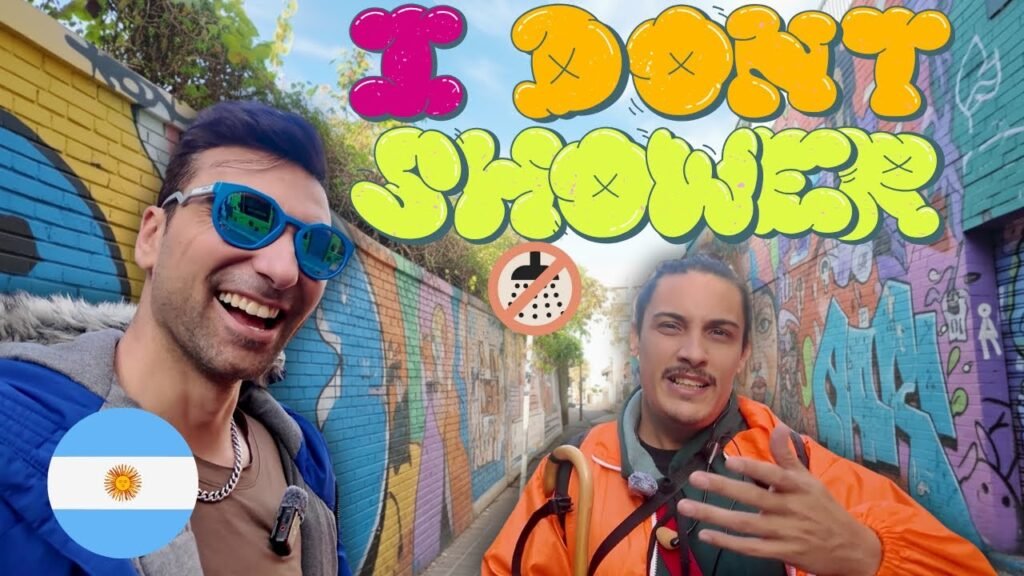
The most famous graffiti phrase in Argentina appeared overnight across the entire city — and then across South America. ‘No Me Baño’ (I don’t take a bath) was not one person. It was an organized collective that coordinated a simultaneous, city-wide tag campaign without anyone knowing who was behind it.
It sparked the ‘culture of dirtiness’ youth movement and remains one of the most successful acts of anonymous urban communication in street art history.
Dr. Favaloro — The Heart Surgeon Who Was Never Paid
A collective called Pioneers of Face Up paints important, often tragic Argentine figures. One of their most powerful murals honors Dr. René Favaloro — the inventor of the heart bypass surgery, who saved countless lives around the world.
Favaloro died by suicide due to immense personal debt. The Argentine government he had served never compensated him. His mural stands in Palermo as a reminder of what this country owes him.
Filete Porteño
Born in Buenos Aires in the late 1800s, Filete Porteño is a traditional decorative art style originally used by milk sellers to decorate their carts — making them look like French aristocratic carriages. Vibrant colors, spirals, and flowers arranged in precise, symmetrical patterns. It is now recognized as intangible cultural heritage.
Finding Filete Porteño in the wild, on a wall in Palermo, is one of the most beautiful things you can see in this city.